
Low Water Pressure in the Whole House: 8 Causes and How to Fix Each
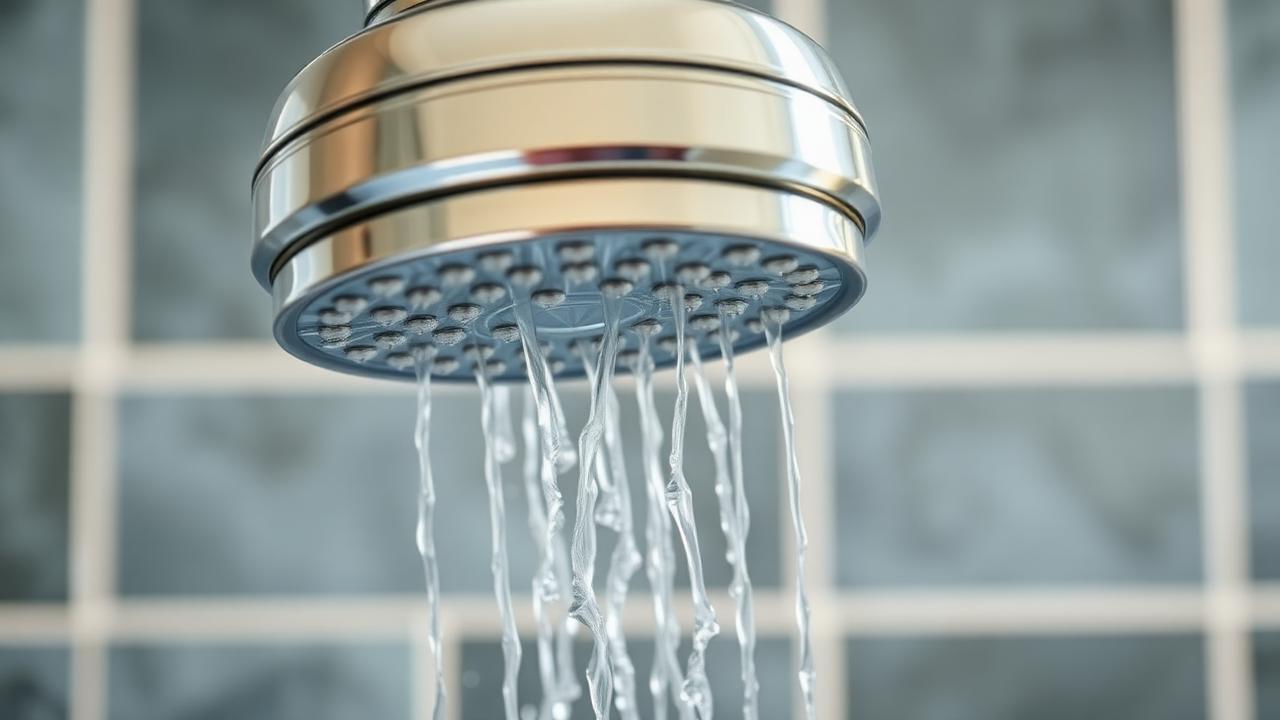
If only one fixture has weak flow, the problem is almost always at that fixture — a clogged aerator, a kinked supply line, or a worn cartridge. But when every faucet, shower, and toilet in the house dribbles, the issue is upstream: at your pressure regulator, your main line, or somewhere in your supply network. The fix depends entirely on the cause, so the diagnosis matters more than the repair.
This guide walks through the 8 most common causes of whole-house low water pressure, ranked from cheapest and easiest to most invasive, plus a 60-second test that tells you where to start.
First: Measure Your Actual Pressure
Buy a $15 water pressure gauge with a hose-bib thread (every hardware store sells them). Screw it onto an outdoor hose bib closest to where the main enters the house. Turn the bib on fully. Normal residential pressure is 40–80 PSI:
- Below 40 PSI: low — investigate the causes below.
- 40–60 PSI: a bit weak; the regulator may need adjusting.
- 60–80 PSI: normal.
- Above 80 PSI: too high — code violation in most areas, will damage fixtures over time. You need a pressure-reducing valve.
Also test during peak demand (morning shower hour) and overnight. Pressure that drops sharply when you run two fixtures points to a supply problem; pressure that's low 24/7 points to a regulator or main-line issue.
1. Failed Pressure-Reducing Valve (PRV) — The #1 Cause
Most U.S. homes built since the 1980s have a bell-shaped pressure-reducing valve just inside where the main line enters the house. PRVs typically last 10–15 years, and when they fail, they almost always fail to a lower pressure (not higher). The fix: replace it. Expect $400–$700 with a licensed plumber, including the new valve.
If your gauge reads, say, 35 PSI at the hose bib and you can see a PRV near your main shut-off, the PRV is the prime suspect. Some PRVs have an adjustment screw — turning it clockwise increases downstream pressure, but if the valve is failing, adjustment is a temporary patch at best.
2. Partially Closed Main Shut-Off Valve
A plumber, contractor, or previous owner may have closed your main valve partially — sometimes during another repair and never reopened. Locate your main shut-off (where the water service enters), and confirm the lever is fully parallel to the pipe (open) or the gate handle is turned fully counter-clockwise. Free fix.
3. City / Utility Pressure Issue
Call your neighbors. If theirs is low too, the problem is on the utility side — a main break, a pump issue, or a temporary supply problem. Call your water utility's non-emergency line; they may already know.
If you live at the end of a long line, on a hill, or in a fast-growing development, your baseline supply pressure may genuinely be low. The fix is a booster pump with a small pressure tank — typically $1,500–$3,500 installed.
4. Corroded Galvanized Steel Pipes
Homes built before 1960 often have galvanized steel supply lines. Over 50–70 years, the inside of these pipes scales over with mineral and rust buildup until the inside diameter shrinks by 50% or more. Pressure at fixtures drops dramatically, hot water especially.
The only real fix is repiping, typically with PEX. A whole-house repipe runs $4,000–$15,000 depending on size and access. It sounds painful, but it also eliminates the leak risk that comes with aging galvanized.
5. Sediment-Clogged Water Heater (Hot Side Only)
If only the hot water is low across the house, the problem is usually inside the water heater. Mineral sediment from hard water settles at the bottom of the tank, eventually clogging the hot-water outlet. Flush the tank annually (10-minute job with a garden hose) to prevent this. If sediment has been accumulating for 5+ years, full flushing may not recover original pressure.
6. Hidden Leak in the Supply Network
A leaking main line — under your slab, in your yard, or inside a wall — bleeds pressure constantly. Look for: unexplained water bill increases, soggy patches in the yard, warm spots on the floor (hot-water slab leak), or the sound of running water with every fixture off. See our companion guide on slab leak warning signs for the full diagnostic checklist.
7. Clogged or Failing Whole-House Filter
Many homes have a whole-house sediment filter or carbon filter on the main line. If the cartridge hasn't been changed in 12+ months, it can choke off flow severely. Bypass it temporarily; if pressure recovers, change the cartridge (usually $15–$30).
8. Mineral Buildup in Fixture Supply Stops
The angle stops under every sink and behind every toilet can mineralize internally, restricting flow before water even reaches the fixture. If the gauge at your hose bib reads normal (60+ PSI) but individual fixtures are weak, replace the angle stops — quarter-turn ball valves are about $10 each and a 20-minute job per fixture.
What About Just Hot Water Being Low?
Three suspects in order: (1) sediment in the water heater (most common), (2) a partially closed hot-side valve on top of the heater, (3) a clogged hot-side mixing valve at the affected fixture. Always check the heater first.
What About Just One Bathroom?
That isn't a whole-house problem at all. Likely culprits: a clogged shower cartridge, a kinked flexible supply line under the sink, or a partially closed branch valve in the wall behind the fixtures. Start at the cheapest end (aerators and showerheads soak in white vinegar overnight).
Internal Links
- For pressure that's too high, see why a PRV is non-negotiable in our burst pipe emergency guide.
- If you suspect a hidden leak, start with our slab leak warning signs checklist.
Key Takeaways
- Buy a $15 pressure gauge and measure at the outside hose bib first — diagnosis before repair.
- 40–80 PSI is normal; below 40 PSI is genuinely low.
- A failed PRV is the #1 cause of whole-house low pressure in homes built since the 1980s.
- Pre-1960 homes with galvanized steel pipe almost always need a repipe to recover normal pressure.
- Hot-only pressure problems usually mean sediment in the water heater — flush annually.
Got the diagnosis? Share this checklist with a neighbor, or explore more diagnostics in our Pipes & Drains category.
Frequently Asked Questions
- What is normal water pressure for a house?
- Normal residential water pressure is 40–80 PSI, measured at an outdoor hose bib with a $15 screw-on gauge. Below 40 PSI is genuinely low; above 80 PSI is a code violation in most U.S. jurisdictions and will shorten the life of every fixture and appliance.
- Why is my water pressure suddenly low everywhere?
- The most common cause in a home with a pressure-reducing valve is a failed PRV — these typically last 10–15 years and fail to a lower pressure. Other possibilities: a partially closed main shut-off, a hidden leak, a sediment-clogged water heater (hot side only), or a utility-side supply issue.
- Can I adjust my water pressure myself?
- If you have a PRV, you can turn the adjustment screw — clockwise to raise pressure, counterclockwise to lower — and watch a gauge to verify. If the regulator is failing internally, adjustment is a short-term patch only. A licensed plumber should replace a worn PRV.
- How much does it cost to fix low water pressure?
- A clogged aerator or angle stop costs under $20. A PRV replacement runs $400–$700. A whole-house repipe for corroded galvanized lines is $4,000–$15,000. A booster pump for chronically low utility pressure typically runs $1,500–$3,500 installed.
Found this helpful?
Share it with a homeowner who needs it, or explore more guides in Pipes & Drains.
Related reading
Slab Leak Warning Signs (And What to Do Before It Gets Expensive)
Slab leaks are sneaky and expensive — here's how to catch one early.
Hard Water vs. Soft Water: Should You Install a Water Softener in 2026?
Hard water shortens water heater life by years and leaves your fixtures looking permanently dirty. Is a softener worth the install? Here's the honest math.