
Burst Pipe Emergency: Exactly What to Do in the First 10 Minutes
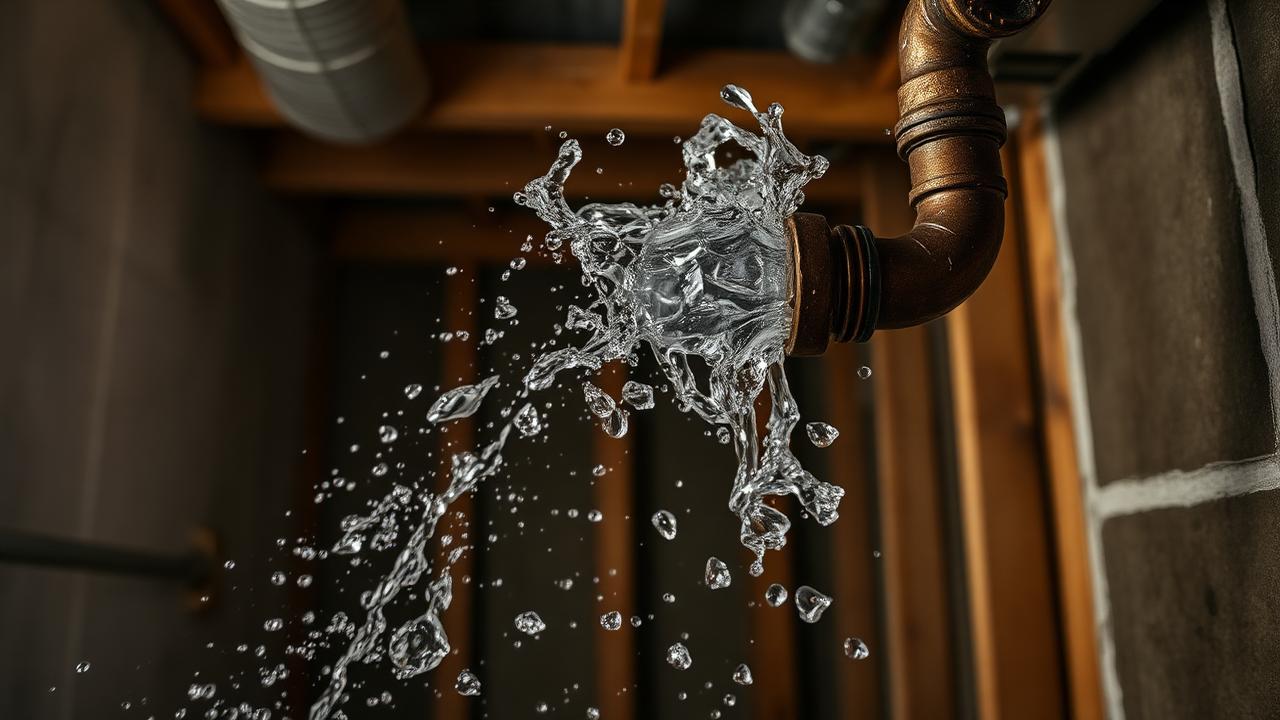
A burst pipe is one of the fastest ways a home can sustain serious damage. A half-inch supply line can release more than 50 gallons of water in just 10 minutes, soaking drywall, ruining flooring, and creating mold conditions within 24–48 hours. The good news: most of that damage is avoidable if you act in a clear, deliberate sequence in the first few minutes.
This guide walks you through exactly what to do — minute by minute — when a pipe bursts in your home, plus the most common causes, what plumbers actually do when they arrive, and how to prevent it from happening again.
Why Burst Pipes Are a True Emergency
Unlike a slow drip under the sink, a burst pipe is pressurized. Standard residential supply lines operate at 40–80 PSI, which means water doesn't just leak — it sprays. Even a pinhole leak in a pressurized copper line can soak the inside of a wall cavity within an hour. A full split? You can lose an entire ceiling.
The U.S. Insurance Information Institute reports that water damage is one of the most common and costly homeowner insurance claims, with an average payout above $13,000. The size of the claim is almost always determined by how quickly the homeowner shut off the water — not by the size of the original break.
The First 10 Minutes: A Minute-by-Minute Plan
Minute 0–1: Shut Off the Main Water Valve
This is the single most important step. Every other action — calling a plumber, mopping, moving furniture — is secondary. Walk (don't run) to your main shut-off valve and close it.
- In most U.S. homes, the main valve is where the water service line enters the house — typically in the basement, crawlspace, garage, or near the water heater.
- In warmer climates (Florida, Texas, California), it's often outside next to the foundation or at the curb in a covered box.
- Turn the handle clockwise (right) until it stops. If it's a lever, turn it 90 degrees so it sits perpendicular to the pipe.
If you've never located your shut-off, do it now — before you finish reading this article. Tag it with a brightly colored zip tie so every adult in the household can find it in the dark.
Minute 1–2: Cut Power to Affected Areas
Water and electricity are a fatal combination. If water is near outlets, light fixtures, the breaker panel, or appliances, shut off power at the breaker before you touch anything. If the panel itself is wet, do not approach it — call your utility's emergency line.
Minute 2–4: Open Faucets to Drain the System
Once the main is closed, open the lowest faucet in the house (often a basement laundry sink or outdoor hose bib) and a faucet on the highest floor. This drains the remaining pressurized water out of the lines and into a drain — instead of out of your broken pipe.
Minute 4–6: Contain and Document
Grab towels, buckets, a wet/dry vacuum, and anything you can use to channel water away from electronics, hardwood, and rugs. While you do this, take photos and short videos of every affected area — wide shots and close-ups. Your insurance adjuster will want this.
Minute 6–10: Call a Licensed Plumber and Your Insurer
Search "licensed 24/7 emergency plumber near me" and call two. The first available wins. Then call your homeowner's insurance non-emergency claim line and start a claim — even if you're not sure you'll file. You can always withdraw it; you can't backdate it.
The Most Common Causes of Burst Pipes
- Frozen pipes. Water expands ~9% when it freezes. In uninsulated walls, attics, and crawlspaces, that expansion splits copper, PEX, and even galvanized steel. Most U.S. frozen-pipe claims happen in the South — where homes aren't built for freezes — not in northern climates.
- Corrosion. Old galvanized steel and aging copper develop pinholes after 40–60 years, especially in regions with acidic water (pH below 7).
- High water pressure. Anything over 80 PSI shortens the life of every fitting in the house. A $15 pressure gauge that screws onto a hose bib will tell you in 30 seconds.
- Water hammer. The "bang" you hear when an appliance valve snaps shut is a pressure spike that fatigues joints over time.
- DIY repairs gone wrong. Over-tightened compression fittings, crossed PEX crimps, and the wrong solder flux all show up months later as failures.
What a Plumber Actually Does When They Arrive
If you're paying $200–$600 for an emergency call, here's what you should expect:
- Confirm the water is off and isolate the affected branch with a section valve so the rest of the house can be turned back on.
- Open the wall or ceiling minimally — just enough to access the failed section.
- Cut out the damaged pipe and replace it. For copper, that's usually a SharkBite push-fit coupling or a soldered repair. For PEX, a new crimp or expansion fitting.
- Pressure test for 15–30 minutes before closing up.
- Recommend a moisture remediation company if soaking exceeds a few square feet — drying out a wall cavity properly prevents mold liability later.
Will Homeowner's Insurance Cover It?
Generally yes for sudden and accidental water damage, including a frozen pipe burst — provided you maintained reasonable heat during cold weather. Generally no for slow leaks, gradual seepage, or damage caused by deferred maintenance. Flood damage from outside the home is a separate policy entirely. See the III's water damage coverage explainer for the full breakdown.
How to Prevent the Next One
- Insulate pipes in unconditioned spaces. Foam pipe sleeves cost under $1 per foot.
- Keep your home above 55°F when traveling in winter, and leave cabinet doors open under sinks on exterior walls.
- Install a pressure-reducing valve (PRV) if incoming pressure is above 80 PSI.
- Add a smart leak detector like a Flo by Moen or Phyn — they shut the water off automatically when they detect an anomalous flow.
- Replace old galvanized supply lines. If your home is 50+ years old and still has steel pipes, repiping with PEX or copper is one of the highest-ROI plumbing upgrades you can make.
Key Takeaways
- Shut off the main water valve first — every other step is secondary.
- Kill power to wet areas before touching anything electrical.
- Open the lowest faucet to drain the system.
- Document everything with photos and video before cleanup.
- Call a licensed 24/7 plumber and your insurer in the same 10-minute window.
- Prevent the next one with pipe insulation, a PRV, and a smart leak detector.
Frequently Asked Questions
- How do I shut off the main water valve in my house?
- Locate the valve where the water service line enters the home (basement, crawlspace, garage, or outside in warm climates), then turn the handle fully clockwise or rotate the lever 90 degrees so it sits perpendicular to the pipe.
- Will my insurance cover a burst pipe?
- Most homeowner's policies cover sudden and accidental water damage from a burst pipe — including frozen-pipe bursts if you maintained reasonable heat — but exclude gradual leaks, seepage, and damage from deferred maintenance.
- How long does it take for water damage to cause mold?
- Mold can begin to colonize wet drywall and wood within 24 to 48 hours, which is why fast water shut-off and professional drying matter so much.
- Can I repair a burst pipe myself?
- SharkBite push-fit couplings make temporary copper repairs accessible to confident DIYers, but a licensed plumber should make the permanent repair and pressure-test the line before walls are closed back up.
Found this helpful?
Share it with a homeowner who needs it, or explore more guides in Emergency Plumbing.
Related reading
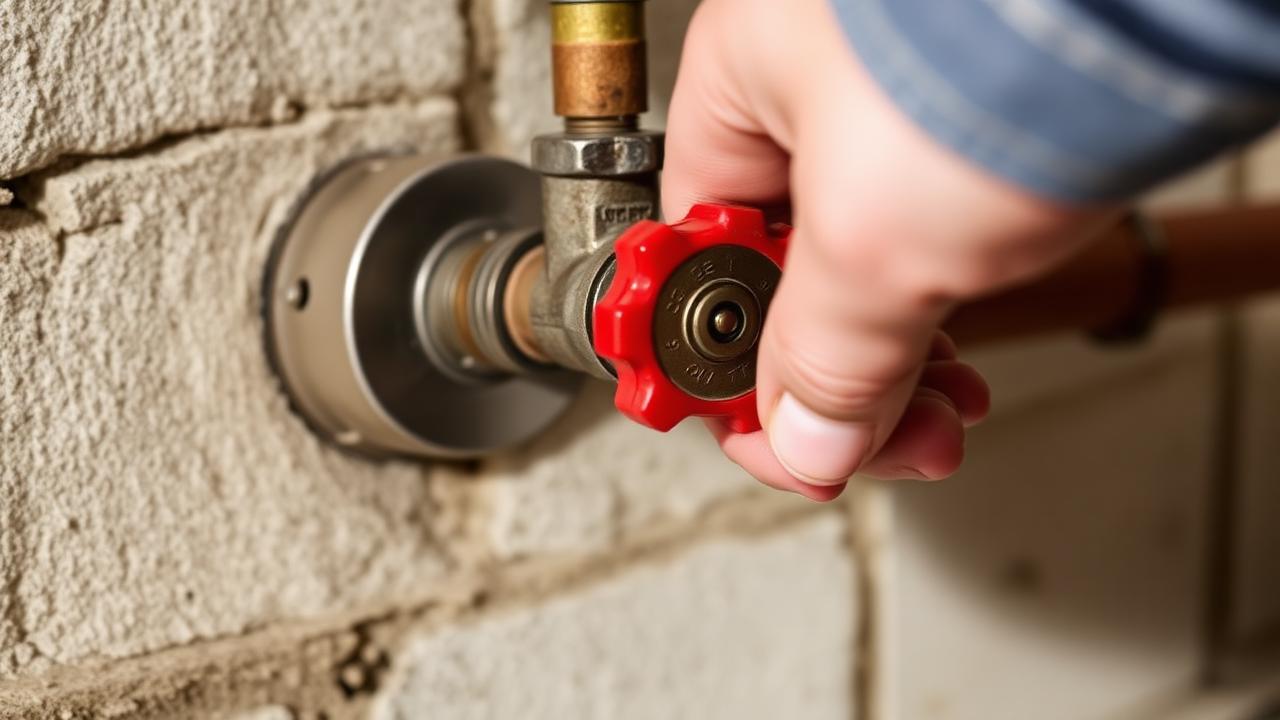
How to Find Your Main Water Shut-Off Valve (Before You Actually Need It)
Every adult in your home should know where the main water shut-off is — and how to turn it off in the dark. Here's how to find yours in five minutes.