
How to Find Your Main Water Shut-Off Valve (Before You Actually Need It)
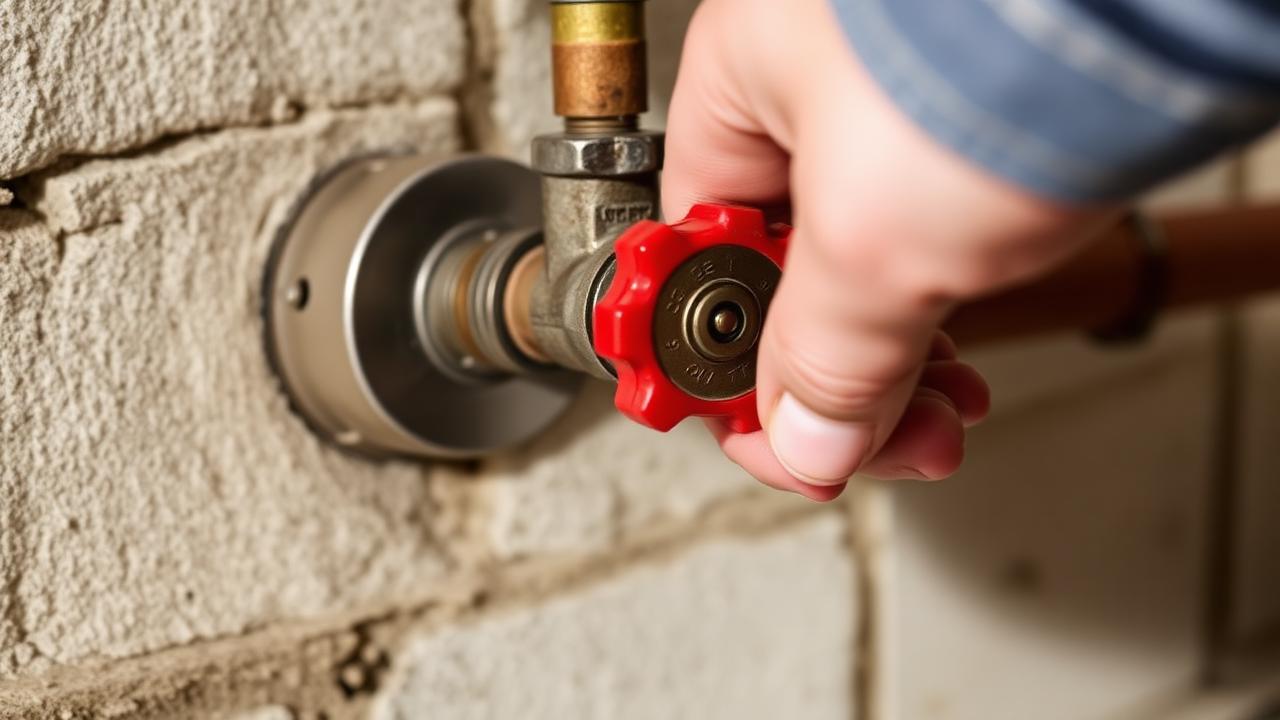
Most homeowners only learn where the main water shut-off is after a pipe has already burst — usually while standing in two inches of water. That's the wrong time. This guide walks you through finding your main shut-off in under five minutes, testing that it actually works, and labeling it so every adult in the house can find it in the dark.
Why This Is the Single Most Important Thing in Your House
A failed supply line releases water at 5–10 gallons per minute. If you're 20 minutes away when a washing machine hose lets go, that's 100–200 gallons inside your home before you walk in the door. Knowing where to shut the water off — and doing it in 30 seconds instead of 10 minutes — is the difference between a dried-out floor and a $40,000 insurance claim. For a full play-by-play of what to do once you find it, read our burst pipe emergency guide.
Step 1: Check Your Property Inspection Report
If you bought your home in the last few years, the inspection report almost always notes the location of the main water shut-off. Search the PDF for "shut-off" or "main valve." It will save you the next 4 minutes.
Step 2: Walk the Most Likely Spots, In Order
U.S. homes follow regional patterns. Check these in order of likelihood for your climate:
Cold Climates (Northeast, Midwest, Mountain West)
- Basement, front-foundation wall. Follow the water service line in from where it enters the house (usually under the front yard). The main valve is within 3 feet of where the pipe penetrates the wall.
- Mechanical room or utility closet. Near the water heater, furnace, or water meter.
- Crawlspace. Same wall as above; bring a flashlight.
Warm Climates (South, Southeast, Southwest, California)
- Outside the house, on the wall facing the street, behind a small panel or just exposed.
- In the garage, along the wall closest to the street.
- At the curb, in a covered concrete or plastic box marked "water." This one needs a special curb-stop key — see Step 4.
Condos and Townhomes
- Inside a utility closet near the entry or laundry. Many have an individual unit shut-off plus a building shut-off in a mechanical room.
Step 3: Identify the Valve Style
You'll usually see one of these:
- Ball valve (lever handle). Quarter-turn — handle perpendicular to pipe = OFF. The most reliable style. Modern homes nearly always have these.
- Gate valve (round wheel handle). Multi-turn clockwise to close. Common on homes 20+ years old. Test it gently — old gate valves often seize or break their stem.
- Stop-and-waste valve. Similar to a gate valve but with a small bleeder cap on the side.
Step 4: Curb-Stop Valves (Outside, Underground)
If your shut-off is at the curb, the box has a heavy iron or plastic lid. Inside is a brass valve usually 12–24 inches down. You need a curb-stop key (also called a "water key") — a 4–5 foot T-handle tool. Home Depot and Lowe's sell them for $25–$40. Buy one and keep it in your garage. Do not use a screwdriver or pry bar — you'll snap the brass stem and your water company will charge you for the repair.
Step 5: Test It (Carefully)
Once you find the valve, test it once:
- Open a cold faucet upstairs.
- Close the main slowly — full clockwise on a wheel, 90° on a lever.
- Within 15–30 seconds the faucet should taper to a drip, then stop.
- Open the main slowly to repressurize. Listen for any banging (water hammer).
If the faucet keeps running — the valve is failing and needs to be replaced. A licensed plumber will swap a gate valve for a modern ball valve in 1–2 hours for $250–$500. Worth every dollar.
Step 6: Label It So Anyone Can Find It
- Tie a bright zip tie or ribbon on the valve handle.
- Snap a photo and text it to every adult in the household with the caption "main water shut-off."
- If it's behind something, leave a labeled tag on the access panel.
Bonus: Install Individual Fixture Shut-Offs
Every toilet, sink, washer, and water heater should have its own local shut-off so you don't need to kill the whole house for a single repair. If yours doesn't (common in older homes), it's a $30 part and a 20-minute job for a plumber.
Internal Links
- The play-by-play for after you shut the water off: Burst Pipe Emergency: First 10 Minutes.
- Worried about pinhole leaks? See Slab Leak Warning Signs.
- High pressure shortens valve life — read Whole-House Water Pressure Issues.
Key Takeaways
- Cold climates: basement front wall. Warm climates: outside or garage near the street.
- Lever valves are quarter-turn; wheel valves are multi-turn clockwise to close.
- Test it once a year — gate valves seize when they sit unused.
- Buy a curb-stop key if your shut-off is at the meter.
- Label the valve and share its location with everyone in the household.
Spend five minutes on this today. Then read our full Emergency Plumbing category to be ready for anything else.
Frequently Asked Questions
- Which way do I turn a main water valve to shut it off?
- Always clockwise (right). On a lever-style ball valve, rotate the handle 90 degrees so it sits perpendicular to the pipe. On a wheel-style gate valve, turn clockwise until it stops — usually 5–8 full turns.
- What if my main shut-off valve won't turn?
- Don't force it — old gate valves snap their brass stems when over-tightened. Call a licensed plumber to replace it with a modern ball valve (a $250–$500 job). In the meantime, the curb-side valve at the water meter can be used in an emergency with a curb-stop key.
- Where is the main water shut-off in a slab-foundation home?
- Usually outside the house on the wall closest to the street, in the garage along that same wall, or at the curb in a meter box. Slab homes rarely have indoor main shut-offs in living areas.
- Should I shut my water off when I go on vacation?
- Yes for any trip longer than 48 hours, especially in cold weather. Turn off the main, then open one upstairs and one downstairs faucet briefly to relieve pressure. This prevents a slow leak or burst pipe from running unnoticed for a week.
Found this helpful?
Share it with a homeowner who needs it, or explore more guides in Emergency Plumbing.
Related reading
Burst Pipe Emergency: Exactly What to Do in the First 10 Minutes
A clear, calm, step-by-step plan for the worst-case plumbing scenario — what to do in the first 10 minutes when a pipe bursts in your home.