Water Heater Making Noise? What Each Sound Means and How to Fix It
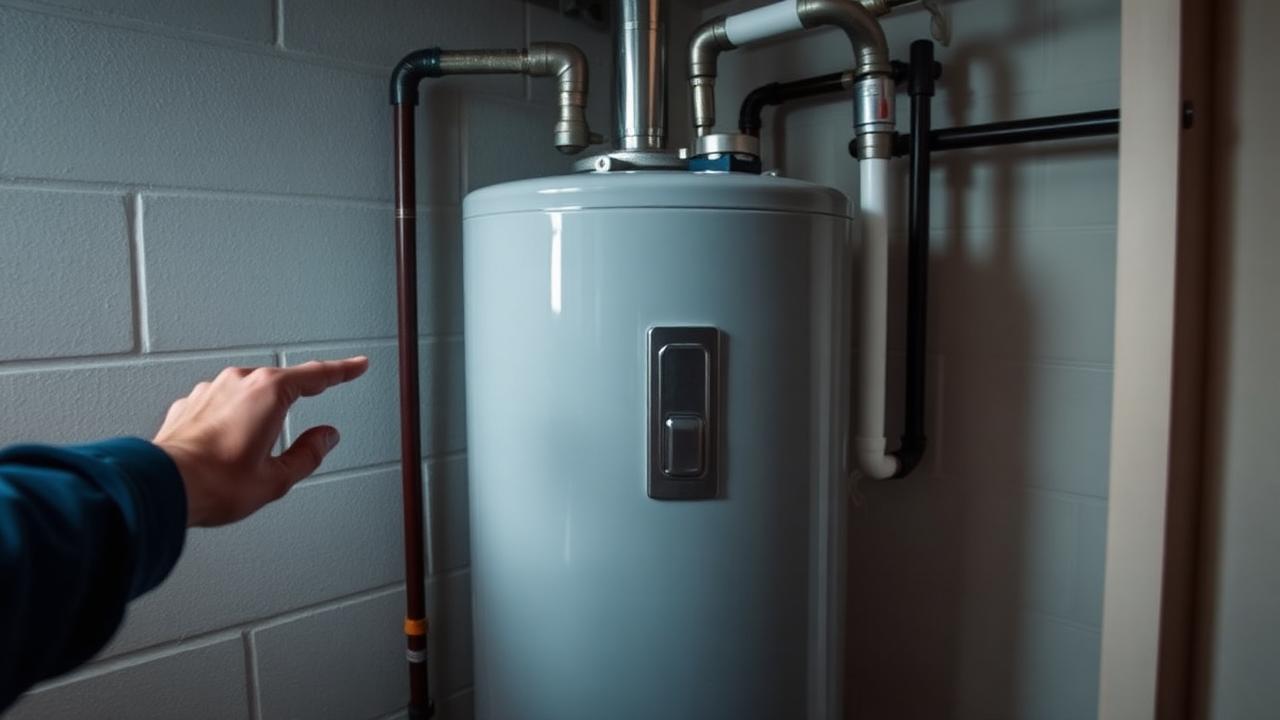
Water heaters aren't supposed to make much noise. A soft hum, an occasional click, the sound of water entering as you draw a shower — that's normal. Popping, banging, screeching, hissing, sizzling, or knocking? Those are diagnostic signals. Each sound maps to a different cause, and the difference between "drain the tank this weekend" and "shut off the gas right now" depends on identifying it correctly.
This guide is organized by sound. Find yours, learn what's happening inside the tank, and follow the fix — including the few sounds that mean you should stop reading and call a plumber today.
Popping, Crackling, or Rumbling — Sediment Buildup
The most common water heater noise by far. Minerals in your water (especially in hard-water areas above 7 grains per gallon) settle at the bottom of the tank. The burner on a gas heater (or the lower element on an electric) then has to heat through that sediment layer. Water trapped underneath boils, escapes through cracks in the sediment, and pops as it rises — exactly like popcorn.
Fix: drain and flush the tank.
- Turn the heater off (gas: knob to PILOT; electric: breaker off).
- Close the cold-water inlet valve at the top.
- Attach a garden hose to the drain valve at the bottom; route it to a floor drain or outside.
- Open a hot faucet anywhere in the house (lets air in).
- Open the drain valve. Let 5–10 gallons run until water clears, then briefly reopen the cold-water inlet to stir sediment, and drain again.
- Close drain, refill, restore power/gas.
Do this annually — every 6 months if you have hard water. Skipping flushes is the #1 reason tanks fail at 6 years instead of lasting 12.
Banging or Hammering — Water Hammer
A loud bang when a washing machine, dishwasher, or toilet valve shuts is water hammer — a pressure shockwave. It often shows up at or near the water heater because the heater is the largest expansion vessel in your supply network.
Fix: install hammer arrestors at the offending appliance ($15 each, screw-on) or, if your supply pressure is above 80 PSI, install a pressure-reducing valve. Hammer left untreated fatigues every fitting in the house — it's not just annoying, it's destructive.
Screeching, Whistling, or Singing — Restricted Flow
A high-pitched whistle usually means water is being forced through a partially closed valve. Check that the cold-water inlet valve on top of the tank is fully open. Also check the heater's tempering / mixing valve (if installed) and the pressure-reducing valve on the main if you have one — partial blockage in either can sing.
Tapping or Ticking — Heat Trap Nipples
Many modern heaters use heat trap nipples on the hot and cold connections — small one-way check-style devices that reduce standby heat loss. They occasionally tick or tap as water flows past. Normal; no action needed. If the noise is loud or constant, the nipples can be replaced ($10/each).
Humming — Loose Electric Element
Electric water heaters with a low, constant hum usually have an element that's vibrating in its socket. The element is still working, but a tightening with an element wrench solves it. Always shut off the breaker before touching an electric heater's elements.
Sizzling, Hissing, or Frying — Leaking Tank (URGENT)
A sizzling sound coming from the bottom or sides of a gas water heater often means water is dripping onto the burner. That typically indicates an internal tank leak — the tank has corroded through, and replacement is the only fix. Continued operation risks burner damage and, in rare cases, a fire hazard.
Action: shut off the gas (knob to OFF) and the water inlet, and call a licensed plumber for replacement. Expect $1,500–$3,000 installed for a standard tank, $3,400–$6,800 for tankless. See our tankless vs. tank guide to choose your replacement.
Knocking in the Walls — Pipe Expansion
If the knocking sound is in the walls (not the heater itself) and happens right after hot water is used, it's pipe expansion — copper expanding inside tight wall openings. Annoying, mostly harmless. Permanent fix: cut the drywall and add foam pipe insulation or rubber grommets where pipes cross studs. Often deferred until a remodel.
Roaring or Excessive Combustion — Burner Issue (URGENT for Gas)
A gas heater that sounds like a jet engine, or whose burner roars louder than usual, may have combustion air starvation or a dirty burner. Combined with a hot exhaust smell, soot around the burner door, or a flickering yellow flame instead of steady blue, this is a carbon monoxide risk. Shut off the gas, ventilate the area, and call a plumber or HVAC tech the same day.
The Annual Maintenance That Prevents Most Noises
- Flush the tank once a year (every 6 months in hard water).
- Test the temperature & pressure relief (T&P) valve — lift the lever briefly; water should rush, then stop when released. If it dribbles continuously or doesn't release at all, replace it.
- Inspect the anode rod every 3–4 years and replace when 50% consumed. A fresh anode can add 5+ years to tank life.
- Set the thermostat to 120°F — hotter accelerates scale buildup and scalding risk.
- Insulate the first 6 feet of hot and cold pipes off the heater for energy savings.
When to Repair vs. Replace
Rule of thumb: if your tank heater is 10+ years old and the repair quote exceeds 50% of replacement cost, replace it. Repairing a 12-year-old tank with a major issue usually buys 12–18 months before something else fails. Average tank life is 8–12 years; tankless 15–20 years with annual descaling.
Internal Links
- Choosing your next unit? Read our tankless vs. tank water heater comparison.
- If hot water pressure is also weak, see low water pressure causes & fixes.
Key Takeaways
- Popping/rumbling = sediment; flush the tank annually.
- Banging = water hammer; install hammer arrestors or a PRV.
- Sizzling on a gas heater = likely internal leak — shut off and replace.
- Roaring with yellow flame on a gas heater = combustion problem and possible CO risk; same-day service call.
- Most noise problems trace back to skipped maintenance — an annual flush prevents the majority.
Heater talking to you? Save this guide for next time, and explore more in our Water Heaters category.
Frequently Asked Questions
- Is it safe to use a water heater that's making noise?
- Popping, ticking, and humming are usually safe to use while you schedule maintenance. Sizzling or hissing on a gas heater (water dripping onto the burner) and roaring combustion sounds with a yellow flame are not safe — shut the unit off and call a plumber the same day.
- How do I flush sediment out of my water heater?
- Turn the heater off, close the cold inlet, attach a garden hose to the drain valve, open a hot faucet upstairs (for air), and open the drain. Let 5–10 gallons drain, briefly reopen the cold inlet to stir sediment, then drain again until water runs clear. Close, refill, restore power.
- Why does my water heater pop and bang?
- Almost always mineral sediment at the bottom of the tank. The burner heats through the sediment layer, trapped water boils and escapes in pops. The fix is to drain and flush the tank — and to do it annually going forward.
- How long should a water heater last?
- Conventional tank water heaters last 8–12 years on average. Tankless units last 15–20 years if descaled annually. Heat-pump water heaters last 10–15 years. Annual flushing and anode rod replacement at 3–4 year intervals significantly extends tank life.
Found this helpful?
Share it with a homeowner who needs it, or explore more guides in Water Heaters.
Related reading
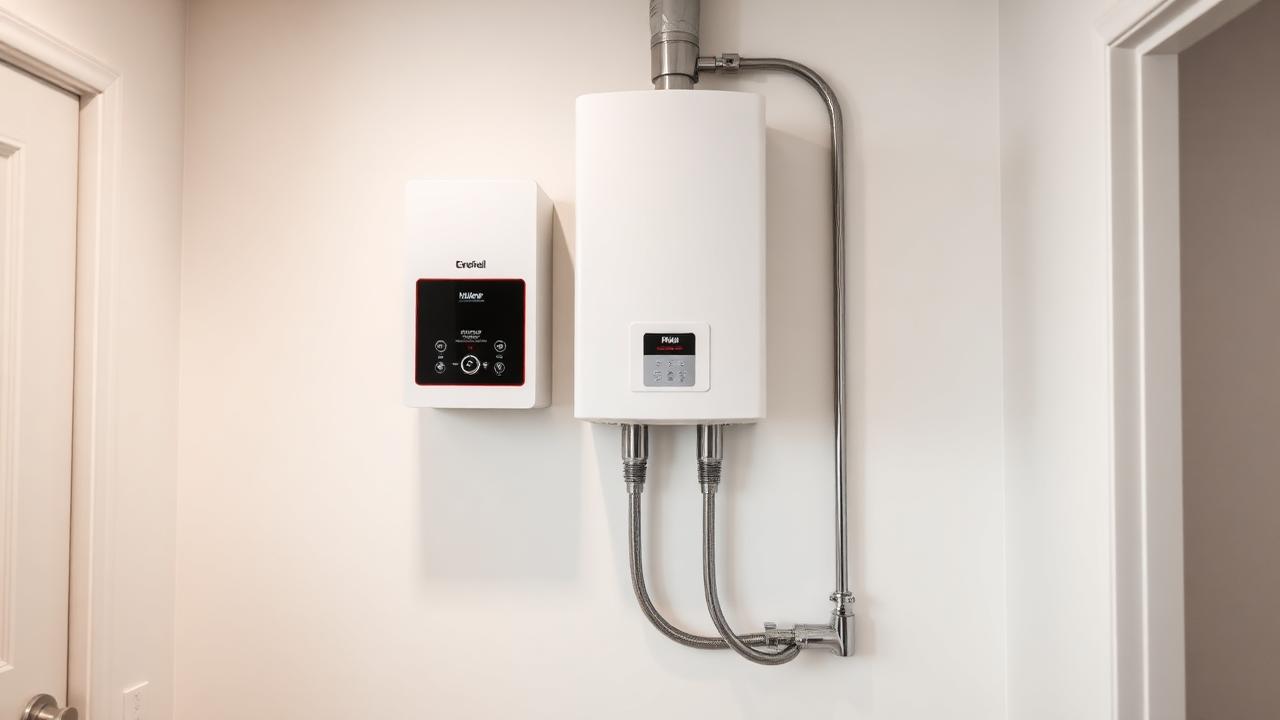
Tankless vs. Tank Water Heater in 2026: Which Is Right for Your Home?
Tankless heaters get all the marketing love, but they're not always the right choice. Here's the unvarnished 2026 comparison.