Tankless vs. Tank Water Heater in 2026: Which Is Right for Your Home?
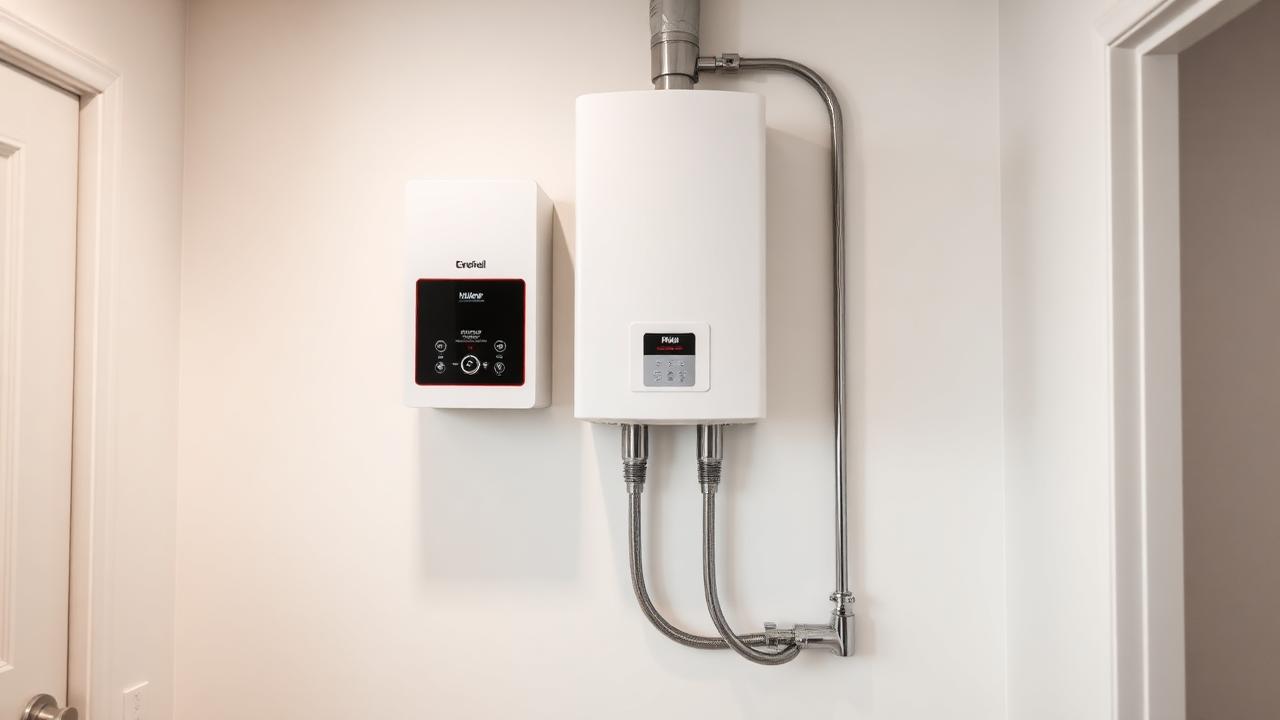
Tankless water heaters have spent the last decade being marketed as the obvious upgrade. They're sleek, they save energy, and they promise "endless hot water." But after installing thousands of both styles, professional plumbers will tell you the truth is more nuanced — and for plenty of homes, a high-efficiency tank is still the smarter buy.
This guide breaks down tankless vs. tank water heaters in 2026 across the metrics that actually matter: upfront cost, installed cost, real-world energy savings, hot water delivery, lifespan, maintenance, and resale value. By the end, you'll know exactly which one belongs in your house.
The 30-Second Answer
- Pick a tankless if: you have natural gas, your household uses moderate-to-heavy hot water spread across the day, you plan to stay 10+ years, and you can stomach a $3,500–$6,500 installed price.
- Pick a high-efficiency tank if: you're replacing a failing unit on short notice, you're on a budget, your usage is concentrated in narrow morning/evening windows, or you're heating with electricity in a cold climate.
- Pick a heat-pump water heater if you want the genuinely lowest operating cost on electricity and you have a warm utility space — see our note below.
Real 2026 Costs (Installed, Not Just Equipment)
Equipment prices look close on a spec sheet, but installation is where the real gap appears.
- Standard 50-gallon gas tank: $900–$1,800 equipment + $600–$1,200 install = $1,500–$3,000 total.
- Standard 50-gallon electric tank: $800–$1,600 equipment + $500–$900 install = $1,300–$2,500 total.
- Gas tankless (condensing): $1,400–$2,800 equipment + $2,000–$4,000 install = $3,400–$6,800 total.
- Electric tankless (whole-home): $700–$1,500 equipment + $1,500–$3,000 install (often requires panel upgrade) = $2,200–$4,500 total.
- Heat-pump water heater: $1,500–$2,800 equipment + $1,000–$2,000 install = $2,500–$4,800 total (often offset by federal/utility rebates).
The "tankless premium" — that $2,000+ extra you pay over a comparable tank install — almost always comes from gas-line upsizing, new venting (Category III/IV stainless), 120V power for the controls, and condensate drainage.
Energy & Operating Costs
The standby losses on a modern tank are smaller than tankless marketing suggests. A well-insulated 50-gallon gas tank loses about 130 therms/year to standby; a condensing tankless eliminates almost all of that. In typical use that's a savings of $70–$150 per year on natural gas — meaningful, but it takes 15–25 years to pay back the install premium on energy alone.
Electric tankless units are a different story. They draw 120–160 amps at full flow, often requiring a service upgrade. They make sense for additions, ADUs, and small apartments — not as a whole-home upgrade in most climates.
The actual energy winner in 2026? Heat-pump water heaters. They run at a UEF of 3.0+ — meaning you get three units of hot water for every unit of electricity. The federal Energy Efficient Home Improvement Credit covers 30% of the install up to $2,000. See ENERGY STAR's water heater hub for current rebate amounts in your zip code.
Hot Water Delivery: The "Endless Hot Water" Myth
Tankless heaters provide hot water continuously — but only up to their flow rate. A typical residential gas tankless puts out 5–9 GPM at a 70°F temperature rise. That's enough for two showers OR a shower plus a dishwasher, but not always all three at once. In cold-incoming-water regions (Minnesota, upstate New York), flow drops sharply because the unit has to heat the water further.
A 50-gallon tank, by contrast, can deliver ~80 gallons of hot water in the first hour — enough for back-to-back showers, laundry, and dishes — and then needs to recover. Households with concentrated morning usage often prefer a tank for exactly this reason.
Lifespan & Maintenance
- Tank heaters: 8–12 years average. Anode rod replacement every 4–5 years extends life significantly.
- Tankless heaters: 15–20 years if descaled annually (every 6 months in hard-water areas). Skipping descaling can cut life to 8–10 years.
- Heat-pump: 10–15 years. The compressor is the wear item.
If your home has untreated hard water (over 7 grains per gallon), a tankless without a softener or a scale-prevention filter will fail early. Budget $300–$600 for a softener or $200 for an inline scale filter as part of any tankless install.
Other Factors That Matter
Space
Tankless heaters mount on a wall and free up floor space — meaningful in small mechanical rooms or finished basements. Tanks need 24" of clearance and a drip pan.
Resale
Real estate appraisers don't typically add line-item value for a tankless. It can help a listing's appeal in a competitive market but rarely raises the appraised value enough to recoup the upgrade premium on its own.
Reliability During Outages
Both gas tanks and gas tankless heaters need electricity for ignition/controls. A tank already has hot water sitting in it during a brief outage; a tankless does not. If you live in a hurricane or ice-storm zone, this matters.
What the Pros Actually Install in Their Own Homes
In informal surveys on plumbing trade forums, working plumbers are split. The most common picks for their own houses in 2026:
- Heat-pump water heater in mild climates with all-electric homes.
- Condensing gas tankless in cold climates with reliable natural gas and 2+ bathrooms.
- High-efficiency 50-gallon gas tank in homes with concentrated usage and short payback expectations.
Key Takeaways
- Tankless is best for gas-heated homes with spread-out usage and long ownership horizons.
- Tanks remain the smart choice for tight budgets, concentrated demand, and short-notice replacements.
- Heat-pump water heaters are the real efficiency winner on electricity in 2026.
- Installation costs — not equipment costs — drive the tankless premium.
- Annual descaling is non-negotiable for tankless longevity.
Frequently Asked Questions
- How long does a tankless water heater really last?
- Properly descaled (annually, or every 6 months in hard water), a quality condensing tankless lasts 15–20 years. Without maintenance, you can see failures at 8–10 years.
- Can a tankless water heater run two showers at once?
- Yes, most residential gas tankless units in the 180,000–199,000 BTU range can run two simultaneous showers in moderate climates, but flow drops in cold-incoming-water regions.
- Are there tax credits for tankless water heaters in 2026?
- Yes — the federal Energy Efficient Home Improvement Credit covers 30% of the cost of qualifying high-efficiency gas tankless and heat-pump water heaters, up to annual caps. Check the latest IRS guidance and your utility for additional rebates.
Found this helpful?
Share it with a homeowner who needs it, or explore more guides in Water Heaters.
Related reading
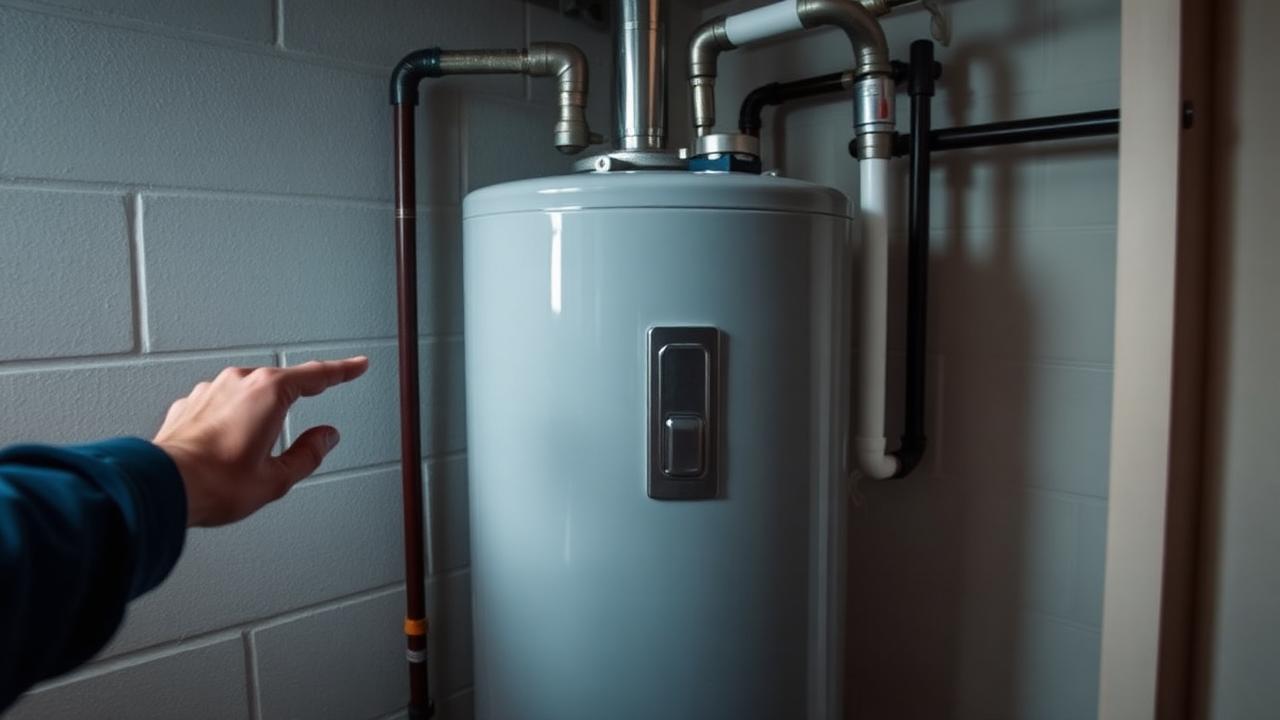
Water Heater Making Noise? What Each Sound Means and How to Fix It
Your water heater is trying to tell you something. Here's how to translate every popping, banging, and humming sound — and what each one will cost to fix.