
Running Toilet: 5 Causes and Quick Fixes That Actually Last
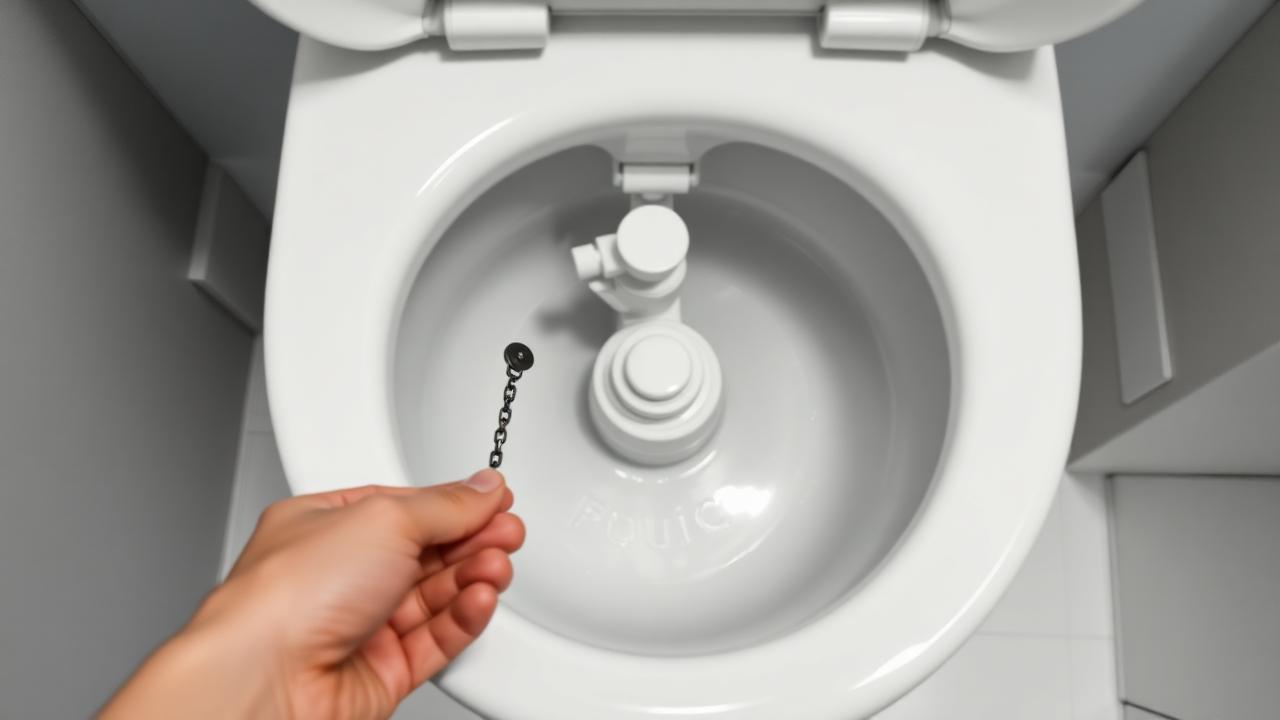
A running toilet can waste up to 200 gallons of water a day — over 6,000 gallons a month, or roughly $40–$80 added to your water bill. The fix is almost always under $25 in parts and 15 minutes of work. This guide walks through the five causes in the order a plumber would check them, with the exact part to buy for each.
How to Tell Which Part Is Failing
Before opening anything, do this 30-second test. Drop a few drops of food coloring into the tank and wait 10 minutes without flushing. If color appears in the bowl, your flapper is leaking (most common). If the tank refills periodically on its own ("phantom flushes"), same answer — flapper. If you hear constant water running and the bowl never has color, the fill valve is the problem.
Cause #1: Worn or Warped Flapper (60% of Cases)
The flapper is the rubber disc at the bottom of the tank that lifts when you flush. Chlorine in the water and time degrade the rubber — within 4–5 years most flappers warp and stop sealing. Water seeps from tank to bowl, the fill valve cycles on every few minutes to top off the tank.
Fix:
- Shut off the water at the toilet's local valve (under the tank).
- Flush to empty the tank.
- Unclip the old flapper from the flush valve and the chain from the flush lever.
- Take it to the hardware store to match. Universal flappers ($5–$10) fit most toilets; some American Standard and Kohler models need brand-specific ones ($8–$15).
- Clip the new flapper in, reattach the chain with about 1/2" of slack (no more).
- Turn water back on and test.
Cause #2: Chain Too Long or Too Short
The chain links the flush lever to the flapper. Too long and it tangles under the flapper, holding it open slightly. Too short and the flapper can't fully seat after flushing. Either way: constant leak.
Fix: Adjust to about 1/2" of slack when the flapper is closed. Cut off excess length with wire cutters.
Cause #3: Fill Valve Won't Shut Off
The fill valve (also called a "ballcock") refills the tank after each flush and shuts off when the float rises high enough. After 7–10 years of mineral buildup or a stuck float, it can run continuously or in short repeated bursts.
Fix — adjust the float first:
- Cup-style float (modern): Pinch the spring clip on the side of the fill valve and slide the float down 1/2" so the water shuts off below the overflow tube.
- Ball float (older): Bend the float arm down slightly.
If adjusting doesn't work, replace the fill valve. Fluidmaster 400A universal kits are $10–$15 and install in 20 minutes — just shut off the water, disconnect the supply line, unscrew the old valve from below, and reverse the process.
Cause #4: Float Set Too High
If the water level in the tank is above the overflow tube opening (the tall vertical tube in the center), water continually drains into the bowl through the overflow. You'll hear water running but the bowl looks dry.
Fix: Lower the float (see Cause #3) so the water level sits about 1/2" to 1" below the top of the overflow tube. The waterline mark on the overflow tube shows the target level.
Cause #5: Cracked or Pitted Flush Valve Seat
If you've replaced the flapper and the toilet still leaks, the flush valve seat (the plastic ring the flapper seals against) may be cracked or rough from mineral buildup. Run your finger around it — any roughness ruins the seal.
Fix: A flush valve seal repair kit ($10) glues a smooth surface onto the existing seat — works in 90% of cases. If the entire flush valve assembly is cracked, replace the whole flush valve (a 90-minute job that requires pulling the tank off the bowl) or replace the toilet.
How Much Water (and Money) You're Wasting
- Slow leak (visible drips): 30 gallons/day = ~$10/month
- Steady leak (phantom flushes hourly): 100 gallons/day = ~$30/month
- Constant fill valve runs: 200+ gallons/day = ~$60–$80/month
The flapper that fixes it costs $7. Easiest ROI in your house.
When to Replace the Whole Toilet
If your toilet uses more than 3.5 gallons per flush (pre-1994), it's almost always worth replacing instead of repairing. A modern 1.28 GPF WaterSense toilet saves a family of four about $110 a year on the water bill — payback in 2–3 years on a $150–$300 toilet. See our small bathroom remodel checklist for what else to swap when you're already in the bathroom.
Internal Links
- Toilet clogged too? Read How to Unclog a Toilet Without a Plunger.
- Doing a full bathroom refresh? See our Small Bathroom Remodel Plumbing Checklist.
- Want low-flow upgrades site-wide? Read Eco-Friendly Plumbing Upgrades That Pay Back.
Key Takeaways
- 60% of running toilets are bad flappers — a $7 fix.
- Use the food-coloring test to confirm flapper vs. fill valve.
- Chain slack should be about 1/2" — too long or too short both cause leaks.
- Set tank water level 1/2"–1" below the top of the overflow tube.
- Pre-1994 toilets — replace, don't repair. Modern 1.28 GPF saves $100+/year.
Hear water running right now? Lift the tank lid and run the food-coloring test. You'll have it diagnosed before the page reloads.
Frequently Asked Questions
- Why does my toilet keep running every few minutes?
- Almost always a worn flapper letting water seep from tank to bowl. The fill valve then cycles on every few minutes to top off the tank. Replace the flapper ($7) and the problem usually disappears within 15 minutes.
- Can a running toilet increase my water bill?
- Significantly. A steady leak wastes 6,000+ gallons a month — typically $30–$80 added to your bill. A wide-open fill valve can waste over 200 gallons a day. Even a slow drip adds up to roughly $10 a month.
- How long should a toilet flapper last?
- About 4–5 years on city water with chlorine. Faster in homes with chlorine tablets dropped into the tank — never do that, it eats the flapper in months. Slower in well-water homes.
- Should I repair or replace an older toilet?
- Replace if it predates 1994 (uses 3.5+ gallons per flush). A modern 1.28 GPF WaterSense toilet pays back the replacement cost in 2–3 years on water savings alone, and modern flush mechanisms are far more reliable.
Found this helpful?
Share it with a homeowner who needs it, or explore more guides in Bathroom.
Related reading
The Small Bathroom Remodel Plumbing Checklist (Don't Skip Step 4)
A focused plumbing checklist for small bathroom remodels — built from the mistakes we see most often on inspection.
How to Unclog a Toilet Without a Plunger: 7 Methods That Actually Work
Locked in a bathroom with a clogged toilet and no plunger? These seven methods clear most clogs in under 20 minutes with stuff you already own.