10 Eco-Friendly Plumbing Upgrades That Actually Pay Back
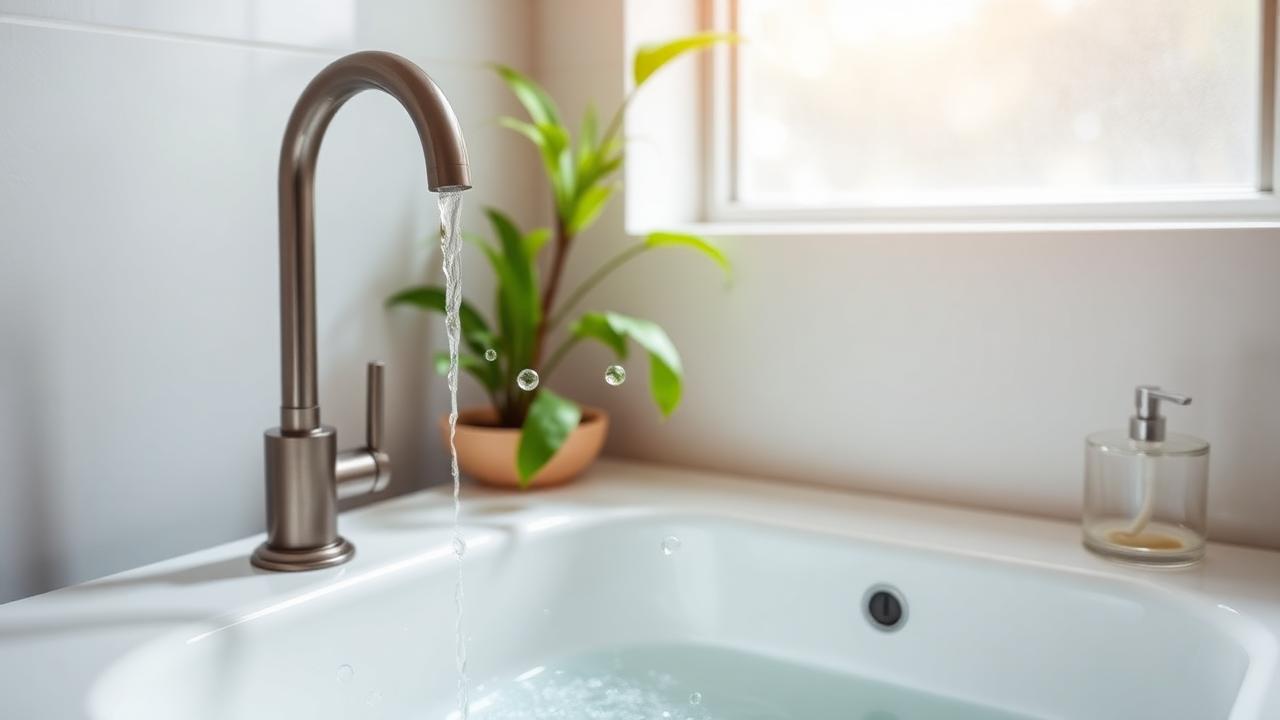
The average American family uses more than 300 gallons of water per day at home, according to the U.S. EPA — and roughly 70% of that happens indoors. The good news is that most of it is fixable with off-the-shelf plumbing upgrades that pay for themselves in well under five years.
Below, every upgrade is ranked by approximate payback period — from "do it this weekend" to "worth it if you'll stay 10 years."
Quick-Win Upgrades (Payback < 6 Months)
1. Faucet Aerators — $4–$10
A standard kitchen faucet flows at 2.2 GPM. A WaterSense-labeled aerator drops that to 1.5 GPM — sometimes 1.0 GPM — with no perceptible drop in performance. Replace every aerator in the house in 15 minutes; payback is usually under three months.
2. Low-Flow Showerheads — $20–$80
The federal max is 2.5 GPM; WaterSense models hit 2.0 GPM or lower while feeling identical thanks to pressure-compensating chambers. A family of four saves around 2,700 gallons of water per year, plus the energy to heat it.
3. Toilet Flapper + Fill Valve — $15
A leaking flapper can waste 200 gallons a day. Drop food coloring in the tank — if it appears in the bowl within 10 minutes without flushing, your flapper is shot. A $5 universal flapper and a $10 fill valve is the highest-ROI 20 minutes of plumbing work most homeowners can do.
Medium Upgrades (Payback 1–3 Years)
4. WaterSense High-Efficiency Toilet — $200–$500
Pre-1994 toilets use 3.5–7 gallons per flush. A modern WaterSense-labeled HET uses 1.28 GPF. For a family of four, that's roughly 13,000 gallons per year saved per toilet — easily $80–$150 on the water bill, plus rebates from many municipalities.
5. Hot Water Recirculation Pump — $250–$500
Stop running the shower for 90 seconds while you wait for it to warm up. A smart recirculation pump (Watts, Taco, Grundfos) on a timer or motion sensor delivers hot water at the tap almost immediately, saving ~12,000 gallons per year in a typical household.
6. Smart Leak Detector — $150–$600
Hidden leaks waste an estimated 1 trillion gallons nationally each year. Devices like Flo by Moen, Phyn Plus, and StreamLabs monitor whole-home flow and shut the water off automatically when they detect anomalous patterns. Many insurers offer a 5–10% policy discount when you install one.
Bigger Investments (Payback 3–7 Years)
7. Heat-Pump Water Heater — $2,500–$4,800 installed
Three times more efficient than a standard electric tank. Pairs well with solar. Federal tax credit currently covers 30% of installed cost up to $2,000.
8. Drain Water Heat Recovery — $400–$1,200
A copper coil wraps your main shower drain and pre-warms incoming cold water using heat from the outgoing shower water. Cuts water-heating energy by 25–40% for showers — invisible, no moving parts, lasts the life of the house.
Long-Horizon Projects (Payback 7+ Years)
9. Greywater System — $1,500–$5,000
Reuses water from showers, sinks, and laundry to irrigate landscape. In drought-prone regions, this can cut outdoor water use to near zero. Requires a code-compliant install — check your local plumbing code (most states reference IAPMO's Uniform Plumbing Code greywater chapter).
10. Rainwater Harvesting — $2,000–$10,000
Capture roof runoff in cisterns for irrigation or, with additional treatment, indoor non-potable use. ROI is climate-dependent — strong in the Pacific Northwest and Texas Hill Country, weaker in the arid Southwest.
What to Skip
- "Magnetic water softeners" — no peer-reviewed evidence they work.
- Single-mode 0.5 GPM showerheads if you have low household water pressure — you'll hate them.
- DIY greywater diversion without a permit — many states will fine you, and improper installs create cross-contamination risk.
Stack Them for Maximum Impact
Done together, just the first six upgrades on this list typically cut a household's water bill by 30–50% and water-heating energy by 15–25% — with a total parts cost under $1,000 and a payback measured in months, not years.
Key Takeaways
- Start with aerators, showerheads, and toilet flappers — under $50 total and payback under 6 months.
- A WaterSense toilet alone saves ~13,000 gallons per year for a family of four.
- Heat-pump water heaters are the single biggest energy lever, with 30% federal tax credit.
- Greywater and rainwater systems are climate- and code-dependent — get a permit.
- Skip pseudoscience products like magnetic softeners.
Frequently Asked Questions
- How much water can I really save with low-flow fixtures?
- A typical family of four saves 20,000–30,000 gallons per year by upgrading aerators, showerheads, and toilets to WaterSense-labeled products — usually a 25–40% reduction in total household water use.
- Are greywater systems legal in the US?
- Most states allow some form of greywater reuse, but rules vary widely. California, Arizona, and Texas have the most developed greywater codes. Always pull a permit and use a licensed plumber.
- Do tax credits cover eco plumbing upgrades?
- The federal Energy Efficient Home Improvement Credit covers 30% of qualifying heat-pump water heaters and certain efficiency upgrades up to annual caps. Many utilities and municipalities offer additional rebates for WaterSense toilets and smart leak detectors.
Found this helpful?
Share it with a homeowner who needs it, or explore more guides in Eco-Friendly Plumbing.
Related reading
PFAS in Your Tap Water: The 2026 Homeowner's Guide to Testing, Filtering, and Compliance
The EPA's PFAS drinking water rule is now enforceable. Here's exactly how to test, what filters actually remove forever chemicals, and how to read your utility's annual report.
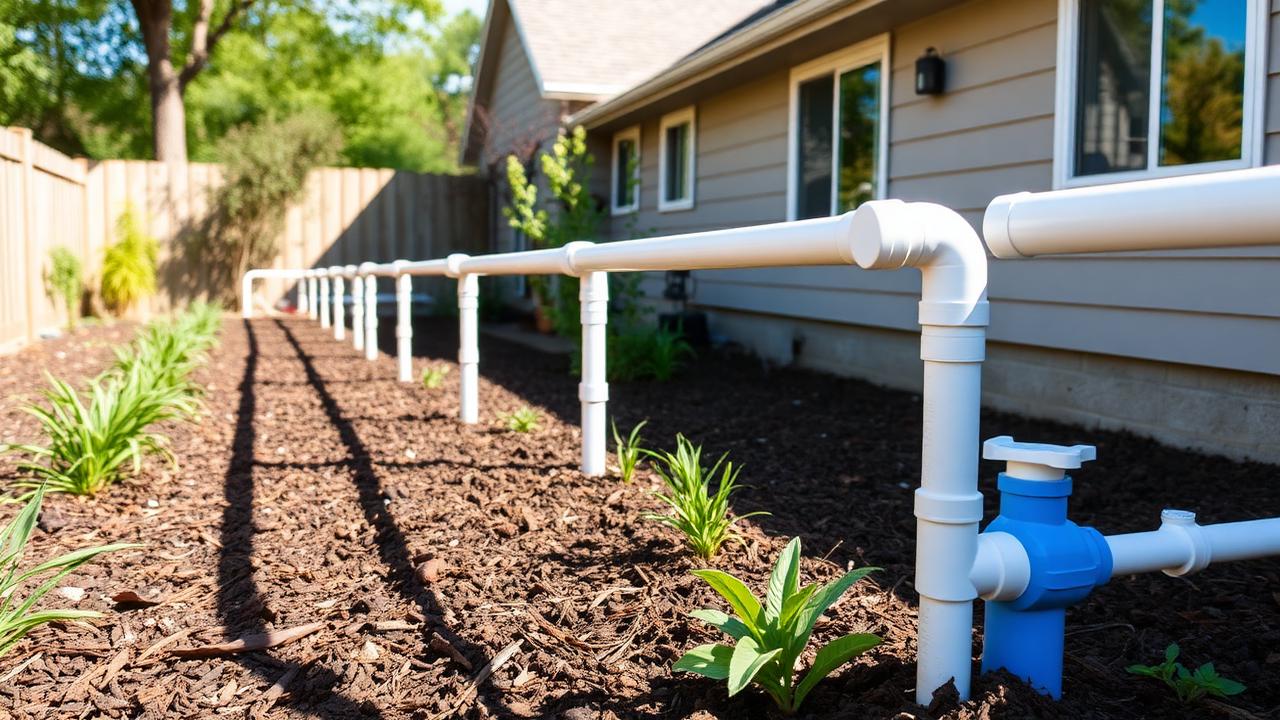
Greywater Systems for Beginners: A 2026 Homeowner's Guide
Reusing water from your laundry, shower, and bathroom sinks can cut outdoor water use by 50%+ — and it's now legal in most U.S. states. Here's a clear-eyed beginner's guide.