How to Unclog a Toilet Without a Plunger: 7 Methods That Actually Work
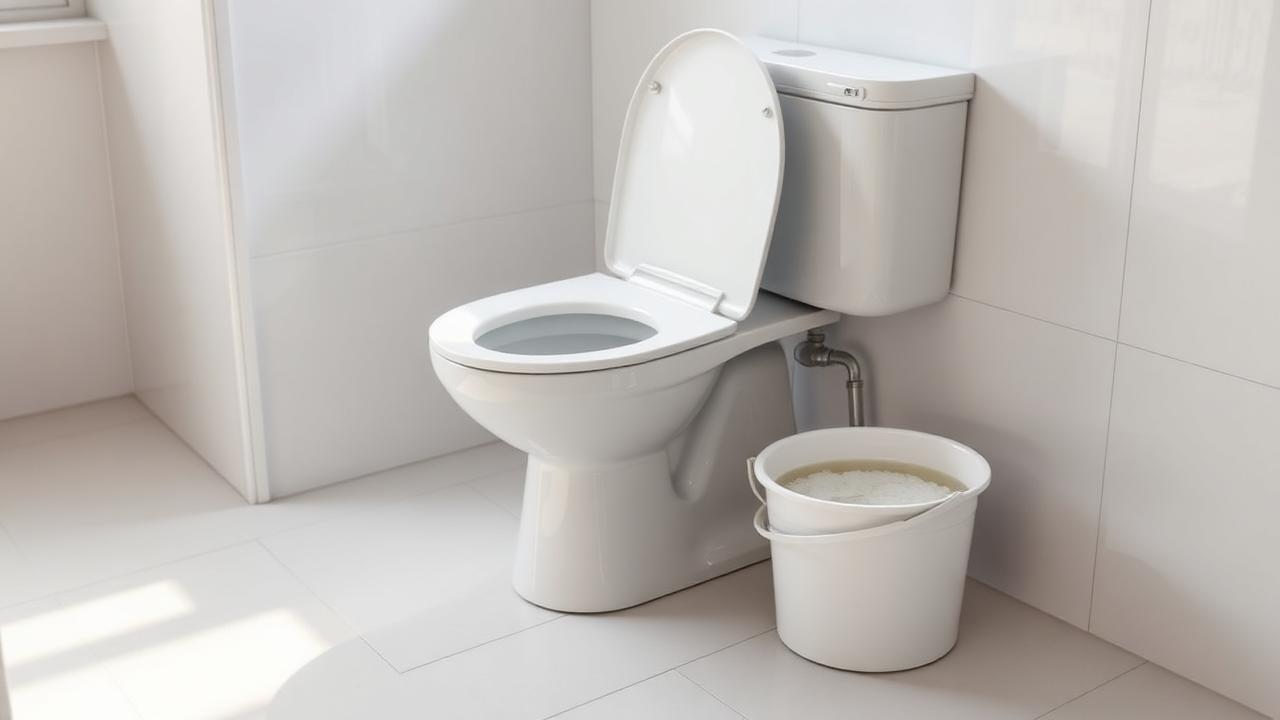
A clogged toilet without a plunger is one of those uniquely stressful household moments — usually at the worst possible time. The good news: most toilet clogs are soft (toilet paper, organic waste) and break apart easily with heat, lubrication, or simple mechanical pressure. You almost certainly have what you need in the kitchen or laundry room right now.
This guide walks through 7 plunger-free methods in order of how likely they are to work, plus the one thing you should never, ever do — and the warning signs that mean it's time to put the bucket down and call a plumber.
Step 0: Stop the Bowl from Overflowing
Before anything else: lift the tank lid and push down the rubber flapper at the bottom. That stops more water from entering the bowl. If the bowl is already at the brim, also close the shut-off valve behind the toilet (turn the silver oval handle clockwise). Now you have time to work.
1. Dish Soap + Hot Water (90% Success Rate)
The single most effective no-plunger method. Squirt about ½ cup of liquid dish soap into the bowl. Wait 5 minutes — the soap sinks past the clog and lubricates the trapway. Then slowly pour one gallon of hot (not boiling) water from waist height. The combined weight, heat, and slipperiness usually breaks the clog free within 10–20 minutes.
Never use boiling water — thermal shock can crack a porcelain bowl, which means a $300 toilet replacement on top of a clog.
2. Hot Water Bucket Pour (Mechanical Force)
If you don't have dish soap, just the bucket method alone works for many clogs. Pour a gallon of hot tap water from about 2 feet above the bowl. The downward momentum often pushes a soft clog through the trap.
3. Wire Coat Hanger "Snake"
Unwind a wire coat hanger and straighten it, leaving a small hook at one end. Wrap the hooked end with a rag and tape — this protects the porcelain from scratching. Feed it gently into the trap and rotate while pushing. You're trying to break up the clog, not push it deeper.
This is the closest thing to a real toilet auger you can make at home. For about $15, a proper closet auger from any hardware store is dramatically safer and more effective if you have time to run an errand.
4. Baking Soda + Vinegar (For Soft Organic Clogs)
Pour 1 cup of baking soda into the bowl, then slowly add 2 cups of white vinegar. Let it fizz for 30 minutes, then follow with a gallon of hot water. Unlike kitchen grease clogs (where this method is mostly placebo), the reaction in a toilet can loosen a soft TP clog by gentle agitation.
5. Plastic Wrap Trick (DIY Vacuum)
Dry the rim of the bowl with a towel, then stretch 3–4 layers of plastic wrap tightly over the top, taping the edges so the seal is airtight. Flush. The water rising in the bowl will balloon the plastic upward — press down hard with your palm. The pressure spike often forces the clog through. Messy, but effective.
6. Enzyme Drain Cleaner (Overnight)
If you can wait 6–8 hours, an enzymatic drain product (Bio-Clean, Drano Max Build-Up Remover, Green Gobbler Enzymes) digests organic matter overnight. These are safe for septic systems and toilet seals — unlike caustic chemical cleaners. Pour, walk away, flush in the morning.
7. Wet/Dry Vacuum (Last Resort Before Calling)
If you have a shop vac that can handle water, empty it, set it to wet mode, remove the filter, and seal the hose tip inside the toilet trap with an old towel. Vacuum the clog out. Never try this with a regular household vacuum — it will destroy the motor and could shock you.
What NOT to Do
- Do not pour Drano or Liquid-Plumr down a toilet. Manufacturers explicitly warn against it. The caustic chemicals damage the wax ring, can crack porcelain via heat, and create a hazard for whoever opens the line next.
- Do not flush repeatedly. Each flush adds water — if the clog hasn't moved, you're moments from an overflow.
- Do not use boiling water. Hot tap water (around 120°F) is plenty; boiling water cracks bowls.
- Do not push with a broom handle or screwdriver. You'll scratch the porcelain glaze, creating a permanent stain magnet, or punch through the wax ring.
When to Stop and Call a Plumber
Call a licensed plumber if:
- The clog hasn't moved after two of the above methods.
- Other drains in the house gurgle when you flush — this means the main line, not just the toilet, is blocked.
- Water backs up into the tub or shower when the toilet is flushed.
- You see sewage smell or backup at a basement floor drain.
- The clog returns within a week — a recurring toilet clog often points to a venting issue or a partial line obstruction that needs a camera.
Expect $125–$300 for a standard toilet snaking. If a main-line auger is needed, $300–$600. A camera inspection runs $150–$400 but is worth every penny on recurring problems.
How to Prevent the Next Toilet Clog
- Use less toilet paper per flush. Two modest wads beat one giant one — and one-ply dissolves faster than two-ply.
- Stop flushing "flushable" wipes. They aren't. They're the #1 cause of toilet and sewer clogs since 2015.
- Keep a small wastebasket in every bathroom for floss, cotton swabs, hair, dental picks, feminine products, paper towels — none of these should ever go in a toilet.
- Teach kids the "two flush" rule for big jobs: half now, half after wiping.
- If you have an older low-flow toilet (pre-2005) that clogs constantly, replacing it with a modern WaterSense 1.28 GPF model often solves the problem permanently. Today's bowls flush better with less water.
Internal Links
- If toilet clogs come with slow drains everywhere, see our kitchen sink clog guide for related main-line tactics.
- Renovating? Pair this with our small bathroom remodel plumbing checklist.
Key Takeaways
- Lift the tank lid and press the flapper down first — stop the overflow before troubleshooting.
- Dish soap + hot tap water from waist height clears the vast majority of soft clogs.
- Never pour boiling water (cracks porcelain) or chemical drain cleaner (damages seals) into a toilet.
- Gurgling in other drains = main-line problem. Stop DIY and call.
- "Flushable" wipes are not flushable. Throw them away.
Saved your bathroom? Bookmark this page and share it with someone who's about to need it. Explore more in our Bathroom category.
Frequently Asked Questions
- What is the fastest way to unclog a toilet without a plunger?
- Squirt a half cup of liquid dish soap into the bowl, wait 5 minutes, then slowly pour a gallon of hot (not boiling) tap water from about waist height. This clears most soft toilet paper or organic clogs within 10–20 minutes.
- Will pouring hot water down a toilet unclog it?
- Hot tap water around 120°F can help break apart soft clogs, especially combined with dish soap. Never use boiling water — the thermal shock can crack the porcelain bowl, turning a small problem into a $300 replacement.
- Can I use Drano in a toilet?
- No. Drano, Liquid-Plumr, and similar caustic drain cleaners can damage the wax ring, degrade plastic and rubber components, and create a serious chemical burn hazard for the next plumber who opens the line. Use enzymatic cleaners or a closet auger instead.
- Why does my toilet keep clogging?
- Recurring clogs usually point to one of three things: a low-flow toilet older than 2005 (early models flushed poorly), so-called flushable wipes accumulating in the trap, or a partial blockage further down the drain line or vent stack — the latter needs a camera inspection by a licensed plumber.
Found this helpful?
Share it with a homeowner who needs it, or explore more guides in Bathroom.
Related reading
The Small Bathroom Remodel Plumbing Checklist (Don't Skip Step 4)
A focused plumbing checklist for small bathroom remodels — built from the mistakes we see most often on inspection.
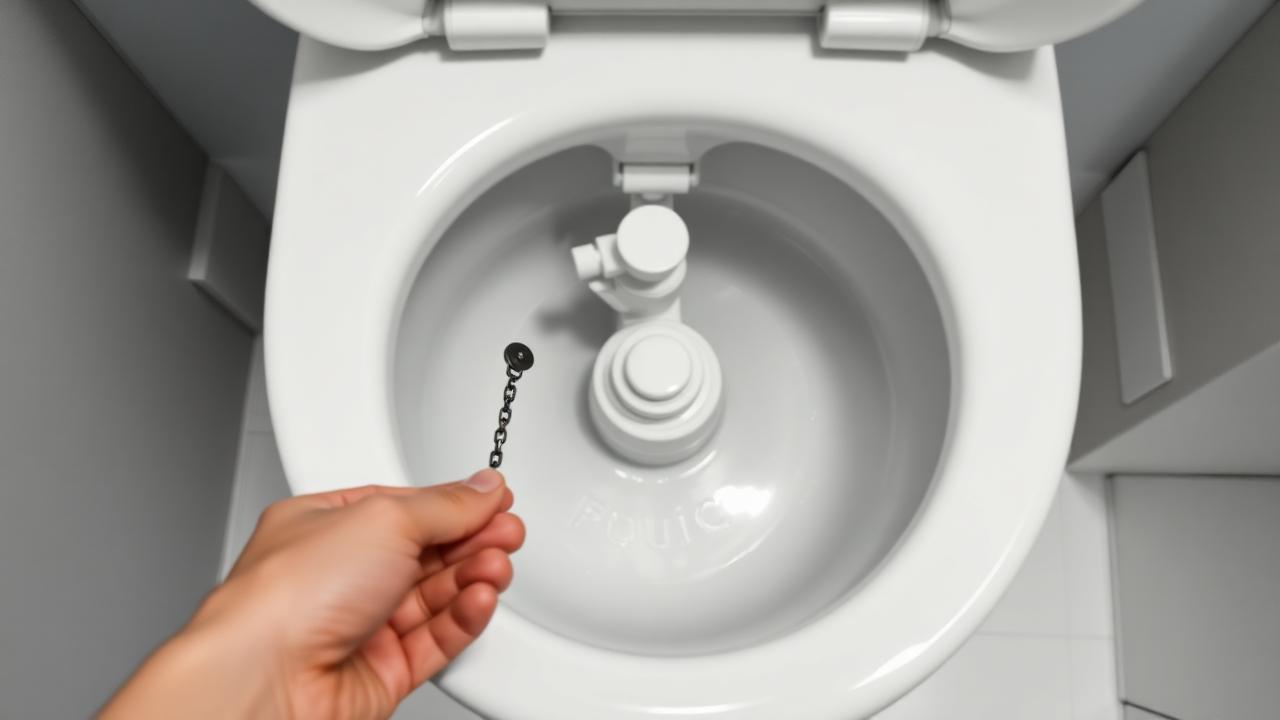
Running Toilet: 5 Causes and Quick Fixes That Actually Last
A constantly running toilet wastes 6,000+ gallons a month. Here are the 5 causes, in order of likelihood, and the $5–$25 fixes that actually last.