
Kitchen Sink Clog Fixes That Actually Work (And the One Myth to Stop Believing)
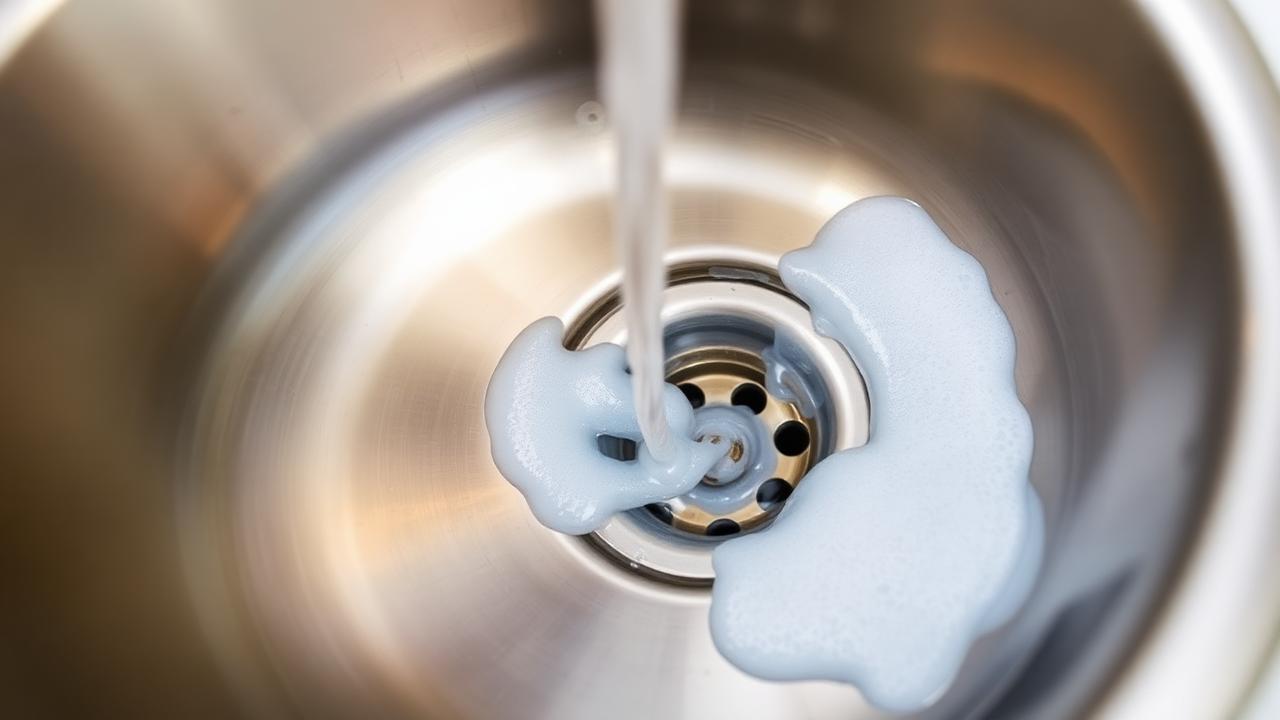
Most kitchen sink clogs aren't mysterious — they're grease. Solidified fats, oils, coffee grounds, and starchy food bits coat the inside of your P-trap and the horizontal branch line leaving the cabinet. By the time water pools in the basin, you have a mostly-closed pipe with a thin channel through the middle. The good news: 80% of kitchen clogs can be cleared in under 30 minutes with tools you already own — and the most-shared "natural" remedy on the internet is essentially useless.
This guide ranks the kitchen sink clog fixes that actually work in order of effort, explains why the famous baking-soda-and-vinegar trick is mostly placebo, and tells you exactly when to stop snaking and call a licensed plumber instead.
Before You Start: Diagnose the Clog in 60 Seconds
- Both basins of a double sink draining slowly? The clog is past the tee — in the branch line.
- Only one basin slow? The clog is in that side's P-trap or tailpiece.
- Gurgling from the other basin or dishwasher backing up? Vent or main-line issue — skip to step 5.
- Garbage disposal humming but not spinning? Not a clog at all — it's jammed. Cut power, insert the hex wrench in the bottom slot, and rotate to free the impeller.
1. Boiling Water (5 Minutes, $0)
For mild grease buildup, pour two full kettles of boiling water slowly down the drain in 30-second intervals. Heat liquefies the fat enough to flush it through. Skip this if you have PVC traps (most newer homes) — repeated boiling water can soften the joints. Use the hottest tap water instead and add a tablespoon of liquid dish soap to emulsify grease.
2. Plunger (10 Minutes, $10)
Use a flat-bottomed sink plunger, not a toilet flange plunger. The flat cup seals against a sink basin; a flange just deflects.
- Remove the strainer basket.
- If it's a double sink, have a helper press a wet rag firmly into the other drain — or seal it with a second plunger. Without sealing the other side, you'll just push water back and forth.
- Run 2 inches of warm water into the clogged basin to seal the plunger cup.
- Plunge sharply 15–20 times, then break the seal with a quick pull.
If the water level drops suddenly, you've cleared it — flush with hot water for 60 seconds to wash debris down the line.
3. Clean the P-Trap by Hand (20 Minutes, $0)
This single step clears the majority of stubborn kitchen clogs. Place a bucket directly under the U-shaped P-trap, hand-loosen both slip nuts (channel-lock pliers if they're stuck), and let the trap drop into the bucket. Empty it, scrub the inside with an old toothbrush, and check the trap arm going into the wall for additional grease ring.
Reinstall by finger-tightening the slip nuts only — overtightening cracks the plastic threads. Run water and check for drips. Total cost: zero.
4. Hand Auger (Drain Snake) — 30 Minutes, $25
If the trap is clean and water still backs up, the clog is in the horizontal branch line heading to the stack. A 25-foot ¼-inch hand auger reaches almost every kitchen branch clog.
- Remove the trap (step 3) and feed the cable directly into the wall stub-out.
- Crank slowly — when you hit resistance and then break through, you've found the clog. Push past it 12 inches, then pull back while flushing with hot water.
- Never run a drain snake through the garbage disposal — you'll wreck the impeller.
5. Call a Licensed Plumber for Recurring Clogs
If the same sink clogs more than twice a year, you have a structural problem a snake won't fix — usually a partially collapsed branch line, an improper slope (less than ¼" per foot), a missing or blocked air-admittance valve, or a venting issue causing slow drainage and sucking traps dry. A plumber with a drain camera can find it in 15 minutes. Expect $150–$400 for camera inspection, $300–$900 for a hydro-jet cleaning, and $1,500+ if a section of branch line needs to be re-pitched or replaced.
The Big Myth: Baking Soda + Vinegar
The fizz looks dramatic and the chemistry feels "natural," but the reaction produces mostly sodium acetate, water, and CO₂ — none of which dissolve grease. The bubbles can mechanically dislodge very loose hair on a bathroom drain, but on a kitchen grease clog the effect is essentially zero. Boiling water alone (step 1) outperforms it every time, and a plunger demolishes it. Save your vinegar for salad.
Why You Should Avoid Chemical Drain Cleaners
Drano, Liquid-Plumr, and similar sodium-hydroxide products generate heat and a caustic reaction inside your drain. The risks:
- Damage to older pipes — particularly aging galvanized and partially corroded copper.
- Disposal seal degradation — the rubber gaskets in a garbage disposal don't love lye.
- Safety hazard for the next person opening that drain — if you later need to call a plumber, undisclosed caustic chemicals can splash and burn skin or eyes.
- It often doesn't even work on grease, because grease clogs aren't biological — and these products are best at organic matter like hair.
The EPA's Safer Choice program lists enzyme-based drain maintainers that are safer for regular use.
How to Prevent the Next Kitchen Clog
- Never pour grease down the drain. Wipe pans with a paper towel before washing. Pour bacon fat into an empty can and trash it when full.
- Run cold water for 15 seconds before, during, and after using the garbage disposal. Cold keeps fats solid so the impeller can chop them.
- Skip these in the disposal: coffee grounds, eggshells, pasta, rice, potato peels, celery, banana peels, and fibrous vegetables. They're disposal myths — they all cause clogs.
- Use a mesh strainer basket. $5, blocks 90% of food debris.
- Once a month, do a "hot flush": a kettle of boiling water (metal traps only) or 5 minutes of hottest tap water with a squirt of dish soap.
When the Whole House Drains Slow
If your kitchen sink backs up at the same time as the laundry, a downstairs toilet, or a basement floor drain, the problem isn't the kitchen — it's the main building drain or sewer lateral. Stop running water immediately and call a plumber with sewer-camera capability. See our companion guide on slab leak warning signs for related main-line issues.
Key Takeaways
- Most kitchen clogs are grease — heat and mechanical action clear them, chemicals don't.
- Plunger first, then P-trap, then hand auger. Three tools handle 80% of cases.
- Baking soda + vinegar is internet folklore, not plumbing.
- Chemical drain cleaners damage pipes and endanger the next person to open the line.
- Recurring clogs in the same sink = call a plumber with a camera, not another bottle of Drano.
Frequently Asked Questions
- What dissolves grease in a drain?
- Hot water plus mechanical removal (plunger, hand-snaking, or pulling the P-trap) outperforms any chemical. For maintenance, enzyme-based drain products digest organic residue safely over time without damaging pipes or disposal gaskets.
- Can baking soda and vinegar really unclog a drain?
- Not effectively on a kitchen grease clog. The reaction produces sodium acetate, water, and carbon dioxide — none of which dissolve fat. Boiling water alone usually works better, and a flat-cup sink plunger works far better than both.
- Is it safe to use Drano in a kitchen sink with a garbage disposal?
- Manufacturers like InSinkErator advise against it. Sodium hydroxide can degrade rubber seals in the disposal and damage older pipes. If a chemical doesn't work, the next plumber to open the line is exposed to a caustic splash hazard.
- How much does it cost to have a plumber clear a kitchen drain?
- Expect $125–$350 for a standard snaking, $300–$900 for hydro-jetting heavy grease buildup, and $150–$400 for a drain camera inspection if clogs keep returning.
Found this helpful?
Share it with a homeowner who needs it, or explore more guides in Kitchen.
Related reading
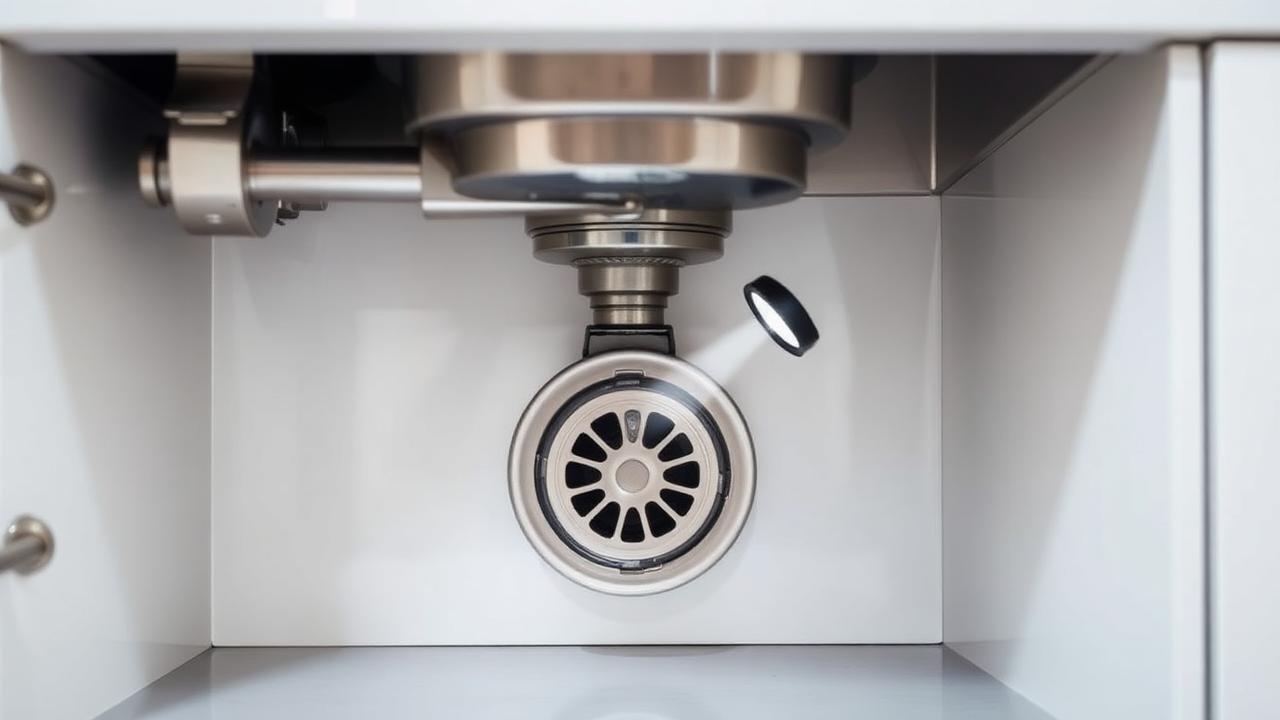
Garbage Disposal Not Working? 7 Fixes to Try Before Calling a Plumber
Most garbage disposal problems are fixable in under 10 minutes with tools you already own. Here are 7 fixes that work — in the order a plumber would try them.